
12 Core Verticals. One Integrated Political Ecosystem.
From booth-level intelligence to legislative strategy, from digital war-rooms to AI-powered systems — Oathmen Advisory provides the complete strategic infrastructure political leaders need to build lasting authority.
We Don't Just Run Campaigns. We Build Political Infrastructure.
We provide an integrated political ecosystem where intelligence informs strategy, strategy drives execution, and execution generates new intelligence in continuous feedback loops.
Our 12 core service verticals work together as a unified system — each strengthening the others, all calibrated to your political terrain.
The result? Not temporary momentum, but durable institutional authority.
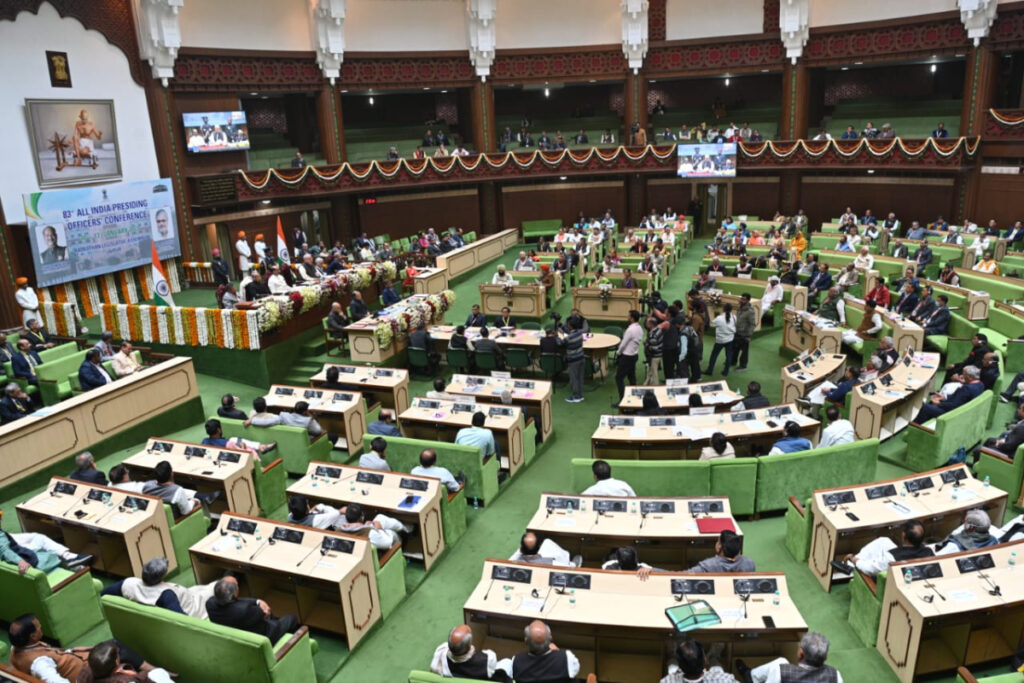
Comprehensive Political Architecture Across All Terrains
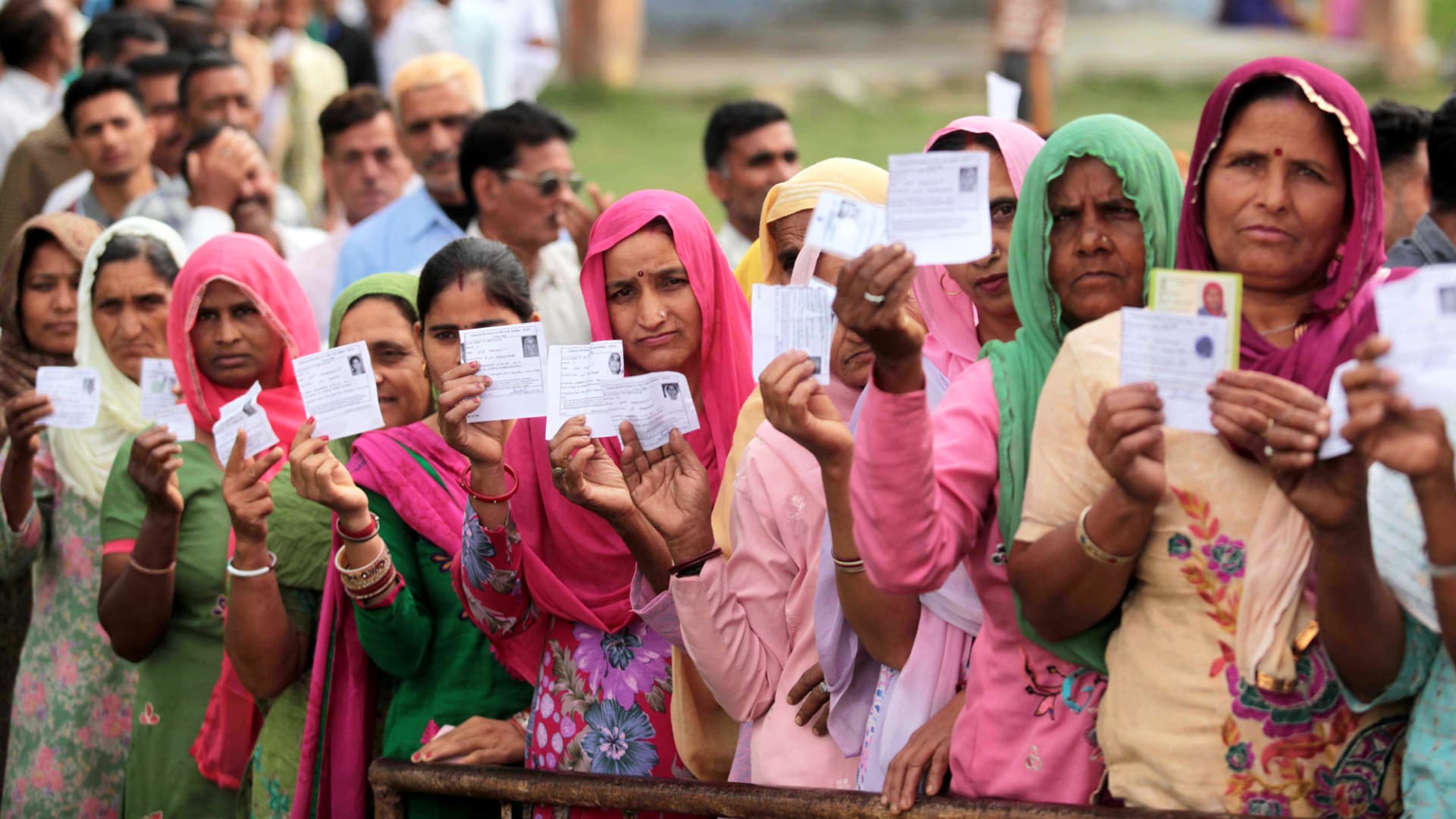






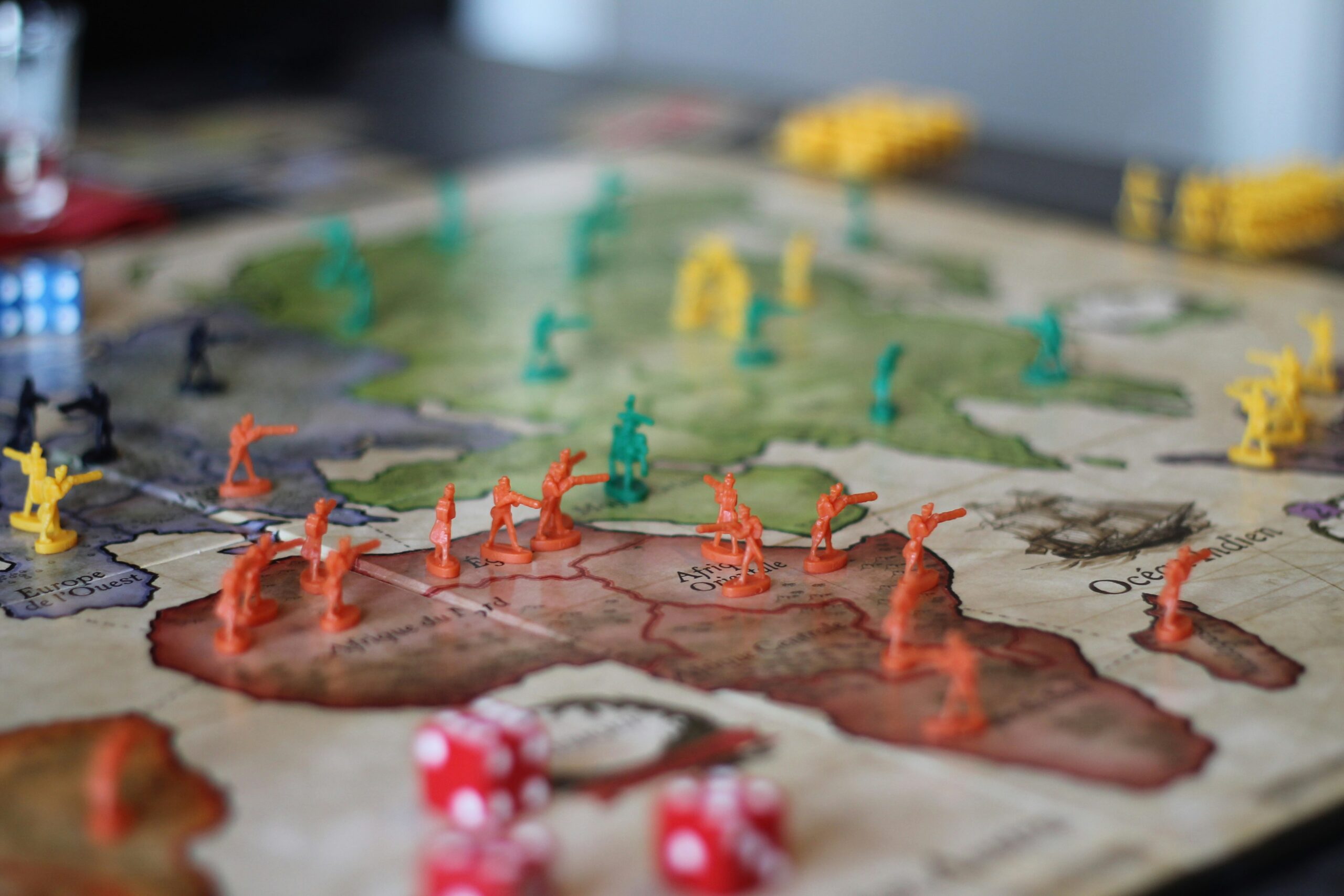
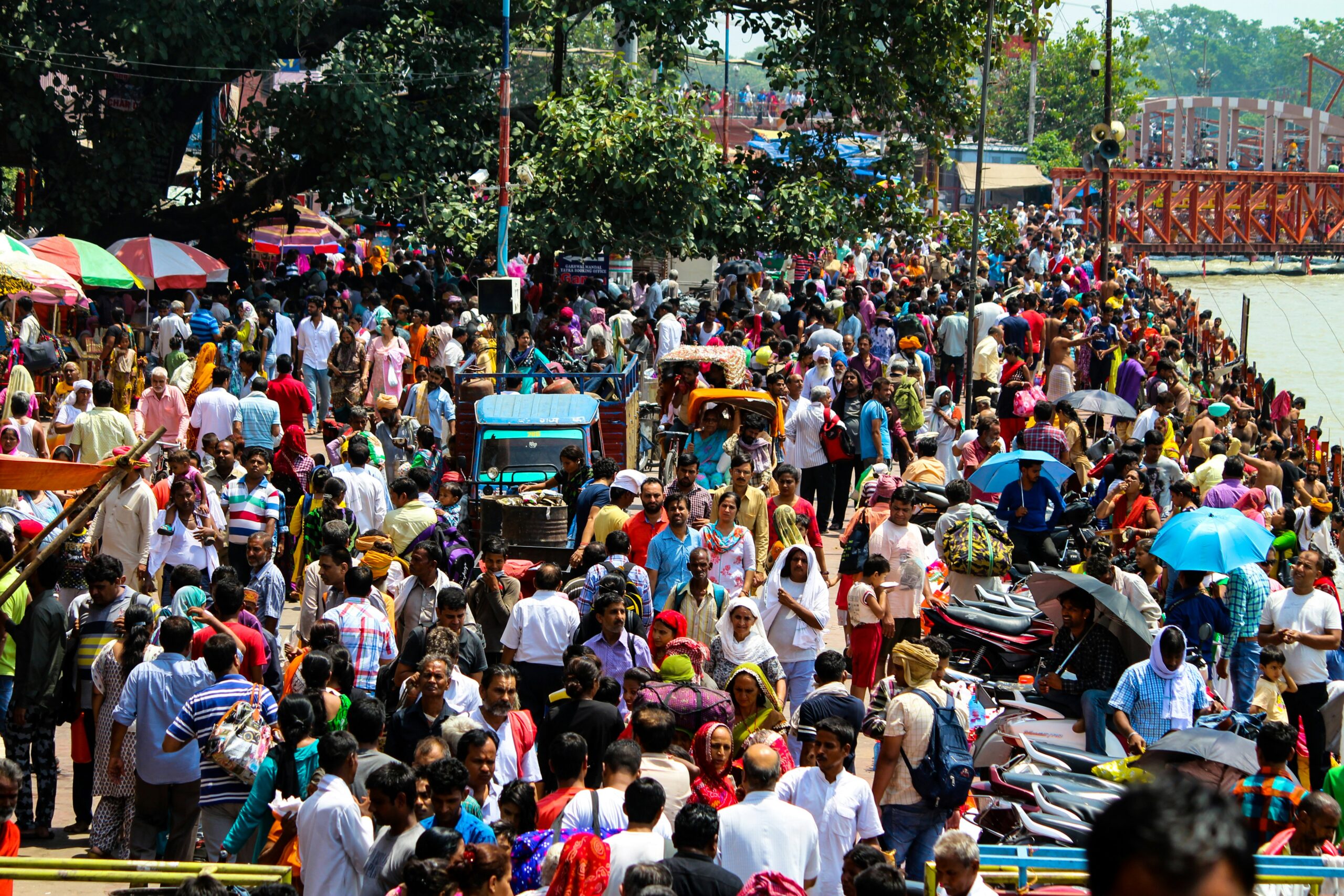


The Oathmen Political Architecture Model (OPAM)
A cost-optimized, PIU-anchored political command system that transforms ground sentiment into deployable narrative, organizational activation, and campaign maneuvers using real-time, iterative intelligence cycles across field and digital theaters.
What is OPAM?
Most political consultancies operate with rigid templates, borrowed playbooks, and generic strategies that ignore ground reality. They work field-first, resulting in expensive chaos and delayed clarity.
Oathmen Advisory operates differently.
The Oathmen Political Architecture Model (OPAM) is a structured, replicable, and high-precision framework that begins with intelligence. It is designed to understand one region, one ward, one faction at a time, building political campaigns on sensemaking rather than slogans.
OPAM converts political philosophy into coherent, executable strategy.

What Makes OPAM Unique
1. PIU is the Center
2. Virtual + Physical Integration
3. Hyper-Local, Not Generic
4. Campaigns Built on Trust
5. Data is Step One — Interpretation is the Asset
1. PIU is the Center
Intelligence-First, Not Field-First
Most agencies use field-first approaches – OPAM begins with Political Intelligence Unit (PIU) at its core, reducing cost and increasing clarity. Our PIU conducts telephonic intelligence sweeps, micro-sampling, and sentiment indexing before a single rupee is spent on ground deployment.
2. Virtual + Physical Integration
The Looping System
OPAM operates as an iterative cycle
This looping system continuously builds precision, ensuring strategy evolves with ground reality rather than following static plans.
3. Hyper-Local, Not Generic
From Booth to State
OPAM is built to understand:
- 1 Village
- 1 Ward
- 1 Faction
- 1 Booth
Not states in abstract. Not demographics in theory. Real people. Real power structures. Real influence.
4. Campaigns Built on Trust
Preventing Blind Spots
The framework is designed to prevent:
Leader blind-spots
Consultant echo chambers
Elite assumptions
Urban biases
OPAM ensures the people’s script replaces the consultant’s script.
5. Data is Step One — Interpretation is the Asset
Intelligence, Not Just Information
OPAM transforms numbers into political meaning.
Six Integrated Stages of Political Architecture
Stage 1: PIU-Led Situational Intelligence (Core Engine)
At Oathmen Advisory, the Political Intelligence Unit (PIU) is not an auxiliary vertical — it is the central nervous system of our model.
Before any operation begins, PIU provides comprehensive diagnostic intelligence:
What Happens Here:
Constituency-wide telephonic intelligence sweep – Sampling voters, influencers, and cadres
Sentiment indexing – Issue → Leader → Party → Alliance mapping
Micro-cluster risk & opportunity mapping – Identifying pressure points and potential gains
Cost-efficient pre-field clarity – Understanding terrain before resource deployment
Outcome:
A real-time, low-cost, high-precision diagnostic before client enters the ground. This is the scaffold on which everything else stands.
Stage 2: Local Leadership & Organizational Mapping (First Physical Layer)
After PIU identifies political pressure points and opportunity nodes, Oathmen deploys minimal, low-friction organizational touchpoints.
What Happens Here:
Identify natural leaders – Micro-influencers, booth actors, community anchors
Trace political sensibilities – Faction lines, loyalty patterns, reliability scores
Create early-warning maps – Who matters, where, and why
Begin rapport-building – With civic actors, community elders, youth leaders
Outcome:
A constituency-level political human map — the invisible infrastructure of local power.
Stage 3: Issue, Culture & Sentiment Excavation (Deep Listening Protocol)
Using PIU insights and initial field intelligence, Oathmen extracts the real drivers of public emotion — not what elite consultants assume, but what people actually care about.
What Happens Here:
Social issues – Water, jobs, health, prices, safety
Developmental gaps – Roads, schemes, service delivery failures
Cultural & identity anchors – Caste dynamics, community rituals, local memory, festivals
Political frustrations – Anger points, betrayal narratives, unfulfilled promises
This is where the people’s script begins to replace the consultant’s script.
Outcome:
A precise Issue Architecture that tells the campaign what actually matters on the ground.
Stage 4: Narrative & Campaign Architecture (The Strategic Blueprint)
With the first three layers fully mapped, Oathmen constructs a comprehensive narrative and strategic grid.
What Happens Here:
Core storyline – What the campaign must stand for
Counter-positioning – Strategic differentiation against rivals (without negativity)
Issue-led modules – Thematic campaign blocks aligned with local priorities
Organizational activation plan – Cadre deployment, volunteer mobilization, booth command
Digital narrative flows – Social media strategy, content calendars, influencer engagement
Time & geography prioritization – Phased deployment based on electoral calendar
Outcome:
A political blueprint that is not rhetorical — it is engineering.
Stage 5: Digital Intelligence & War-Room Systems (The Amplification Layer)
Using PIU-generated and field-generated patterns, Oathmen builds a digital infrastructure that amplifies ground reality.
What Happens Here:
Real-time digital trend tracking – X, Instagram, Facebook, YouTube, WhatsApp monitoring
Constituency-level social media calibration – Hyper-local content targeting
Youth mobilization playbook – Campus networks, student leaders, digital-native influencers
Micro-targeted content – Based on issue clusters identified in Stage 3
Digital crisis mitigation – Fast response matrix, fact-checking, counter-narrative deployment
WhatsApp + influencer circuits – Decentralized political communication networks
Outcome:
A digital architecture rooted in ground reality, not templated urban playbooks.
Stage 6: Field Execution, Calibration & Feedback Loop (The Control Tower)
OPAM ensures the entire system remains dynamic, adapting to evolving ground conditions in real-time.
What Happens Here:
Daily sentiment updates – Continuous PIU monitoring
Weekly recalibration – Adjusting strategy based on feedback
Leadership action sheets – Clear daily/weekly priorities for leaders
Organizational rhythm setting – Coordinated cadre activities
Crisis alerts and mitigation – Immediate response to emerging threats
On-ground deployment sequencing – Phased field operations based on priority zones
Outcome:
A living, breathing campaign machine — not a static election document.
The OPAM Spine - What Holds It Together
Three Core Principles
Principle 1: PIU as the Center
Not an auxiliary function. Not a support service. The intelligence engine that powers every other stage.
Principle 2: Iterative, Not Linear
OPAM is not a sequential checklist. It's a continuous loop where each stage informs and refines the others.
Principle 3: Ground-Validated Strategy
Every decision, every message, every deployment is tested against field reality before scaling.
The Competitive Advantage of Structured Political Intelligence
Four Reasons OPAM Outperforms Traditional Consulting
1. Cost Efficiency
Intelligence-first approach reduces wasteful field deployment and prevents expensive missteps.
2. Strategic Precision
Ground-validated insights ensure every action has targeted impact, not generic hope.
3. Continuous Adaptation
Feedback loops prevent strategic rigidity and enable real-time course correction.
4. Institutional Memory
Structured documentation creates knowledge assets that strengthen future campaigns.
Experience the OPAM Difference
The Oathmen Political Architecture Model is proven methodology deployed across constituencies, elections, and political contexts.
If you're ready to move beyond generic consulting and build campaigns on structured intelligence and ground-validated strategy, let's talk.
Integrated Architecture, Not Isolated Services
Electoral Campaign Integration
Legislative Effectiveness Integration
Crisis Management Integration
What Sets Our Services Apart
1. Intelligence-First Approach
We diagnose before we deploy, ensuring cost-efficient, high-precision operations.
2. Ground-Validated Strategy
Every recommendation is calibrated against real constituency terrain, not conference room theories.
3. Full-Spectrum Integration
Our services work together as a unified system, each strengthening the others.
4. Constitutional Compliance
All services operate within strict ethical, legal, and regulatory boundaries.
5. Technology Integration
AI, data analytics, and digital systems embedded across all verticals.
6. Long-Term Infrastructure Focus
We build durable political institutions, not temporary campaign momentum.

Ready to Build Your Political Infrastructure?
Whether you need a single service or comprehensive multi-vertical support, Oathmen Advisory provides the strategic ecosystem you need.
Every engagement begins with understanding your unique political terrain, challenges, and objectives.